
- Thank you received: 0
199 Austin 7 Countryman (1961-71)
- Jan Oldenhuis
-
 Topic Author
- Offline
- User
-

Less
More
5 years 5 months ago #8132
by Jan Oldenhuis
199 Austin 7 Countryman (1961-71) was created by Jan Oldenhuis
First of all some background information about the Austin Seven:
 Austin logo.
 Austin Seven badge on hood (pre-war).
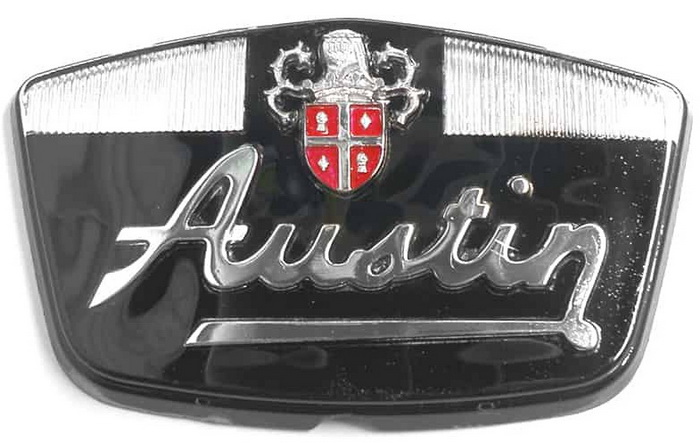 Austin Seven Countryman badge on hood (post-war). The Austin Motor Company Limitedwas a British manufacturer ofmotor vehicles, founded in 1905 by Herbert Austin. In 1952 it was merged withMorris Motors Limitedin the new holding companyBritish Motor Corporation (BMC) Limited, keeping its separate identity. The marque Austin was used until 1987. The trademark is currently owned by the Chinese firmSAIC Motor, after being transferred from bankrupt subsidiaryNanjing Automotivewhich had acquired it withMG Rover Groupin July 2005. Its headquarters and factory were located in Longbridge Birmingham. The Pre-war Austin Seven Car: TheAustin 7is aneconomy carthat was produced from 1923 until 1939 in the United KingdombyAustin. It was nicknamed the 'Baby Austin' and was at that time one of the most popularcarsproduced for theBritishmarket and sold well abroad. Its effect on the British market was similar to that of theModel TFord in the US, replacing most otherBritish economy carsandcyclecarsof the early 1920s.It was also licensed and copied by companies all over the world.The very firstBMWcar, theBMW Dixi, was a licensed Austin 7. In France they were made and sold asRosengarts, and in the United States they were built by theAmerican Austin Car Company. In Japan,Nissan also used the 7 designas the basis for their first cars, although not under licence.This eventually led to a 1952 agreement for Nissan to build and sell Austins in Japan under the Austin name. Many Austin7s were rebuilt as 'specials' after the Second World War,including the first race car built byBruce McLaren, and the firstLotus, theMark I. Companies such asSpeedexinLutonthrived in the late 1950s by producing race-proven bodies and engine parts for the Seven chassis. Such was the power of the Austin 7 name that the company re-used it for early versions of theA30in 1951andMiniin 1959. (Source Wikipedia). Below a picture of the 1937 Austin Seven Opal 2-seat Tourer. According Richardson this car was the prototype of Dinky Toys sales number 35d Austin Seven Car and produced from 1938-1948 by Meccano Liverpool. It was also as a military version with driver as 152c included in 152 Royal Tank Corps Light Tank Set. This car was I think the smallest Dinky Toys passenger car produced by Meccano Liverpool. It had only a length of 50 mm. it's amazing how many of these pre-war Austin Seven cars are still in operation when you search the internet.
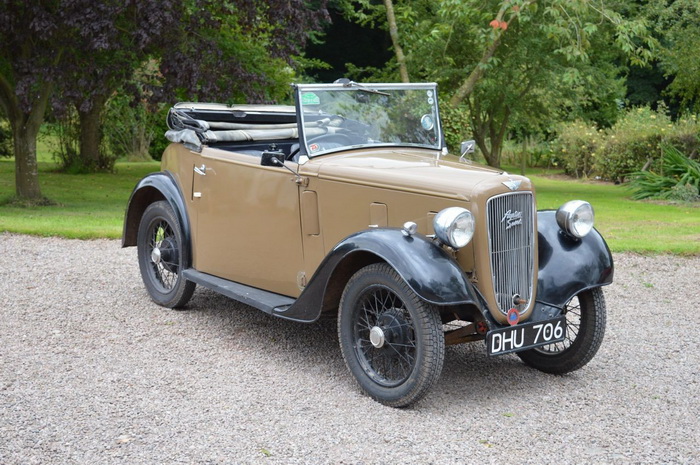 1937 Austin Seven Opal 2-seat Tourer. According Richardson is this car the prototype of Dinky Toys 35d Austin Seven Car.
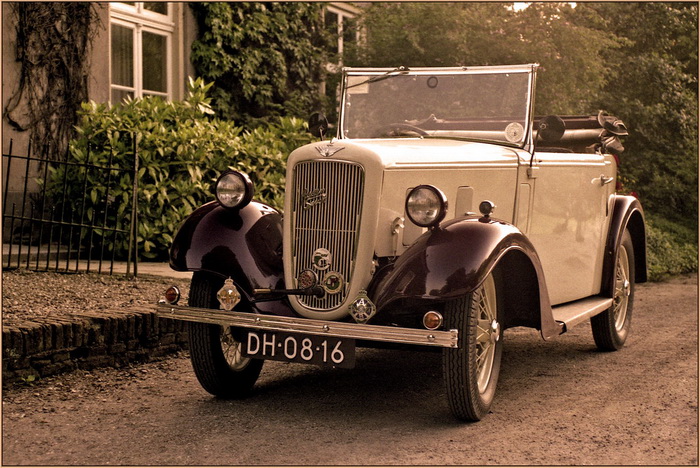 Austin Seven 1938 Opal 2-seat Tourer with Dutch license plate. Note the crank and the right handed steering wheel, so it is an imported British car.
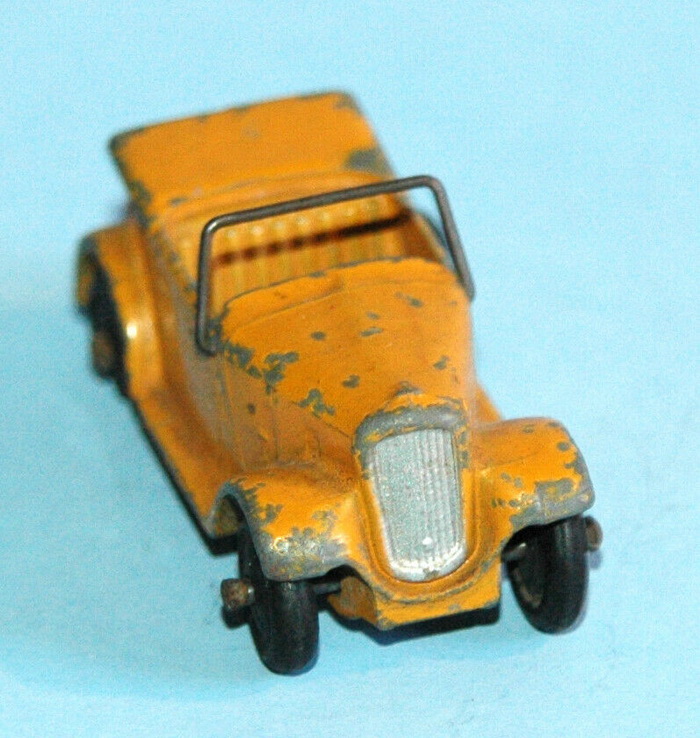 Front of the pre-war 35d Austin Seven Car. Length 50 mm. Photo Ebay Canada.
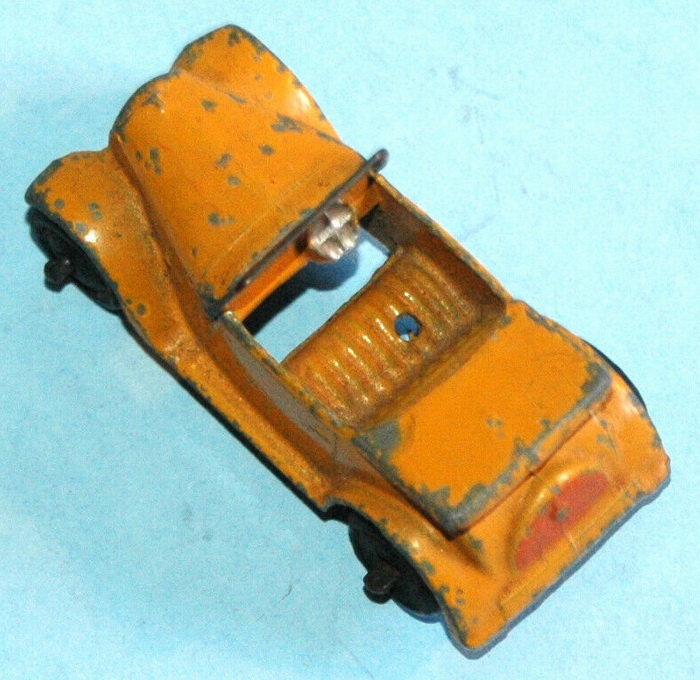 Pre-war Dinky Toys 35d Austin Seven Car 1938-1948. It had a solid closed silver coloured steering wheel and a hole in the chassis for a driver of the military version.
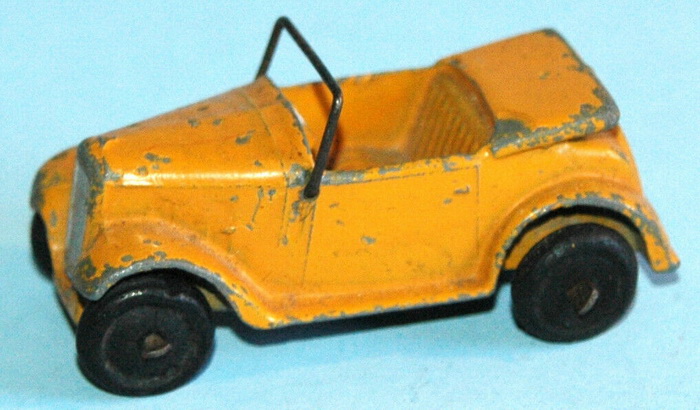 Pre-war Dinky Toys 35d Austin Seven Car 1938-1948. Reproduction of the 1937 Austin Seven Opal 2-seat Tourer. Length 50 mm. Photo Ebay Canada.
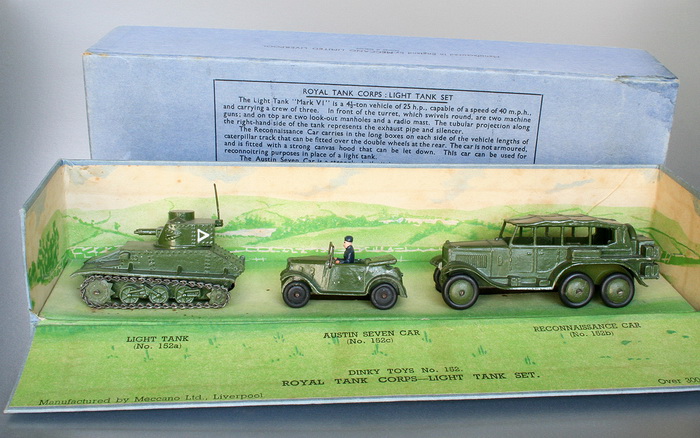 Pre-war Dinky Toys 152c Austin Seven Car in military version with driver in 152 Royal Tank Corps - Light Tank Set casting same as 35d. Photo Jan Werner DTCA.
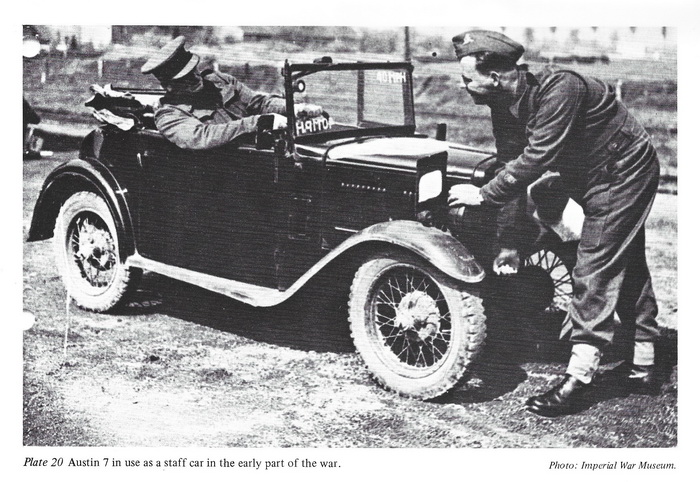 The engine of a pre-war military Austin Seven is cranked. The Post-war Mini: (Wikipedia) TheMiniis a smalleconomy carproduced by the English-basedBritish Motor Corporation(BMC) and its successors from 1959 until 2000. The original is considered an icon of 1960sBritish popular culture.Its space-savingtransverse engineandfront-wheel drivelayout allowing 80% of the area of the car'sfloorpanto be used for passengers and luggage influenced a generation of car makers.In 1999, the Mini was voted the second-most influentialcar of the 20th century, behind theFord Model T, and ahead of theCtron DSandVolkswagen Beetle.The front-wheel-drive, transverse-engine layout of the Mini was copied for other 'supermini' designs including theHonda N360(1967),Nissan Cherry(1970), andFiat 127(1971). The layout was also adapted for larger subcompact designs. This distinctive two-door car was designed for BMC bySir Alec Issigonis. It was manufactured at theLongbridgeplant in England located next to BMC's headquarters and at the former Morris Motors plant at Cowley near Oxford, in the Victoria Park/ZetlandBritish Motor Corporation (Australia)factory inSydney, Australia, and later also in Spain (Authi), Belgium, Italy (Innocenti) Chile, Malta, Portugal, South Africa, Uruguay, Venezuela, and Yugoslavia (IMV). August 1959: Introduction of the Austin Seven, Morris Mini-Minor and Morris Mini-Minor DL 2-door saloons, all with transversely mounted 848cc engine and 4-speedmanual gearbox.
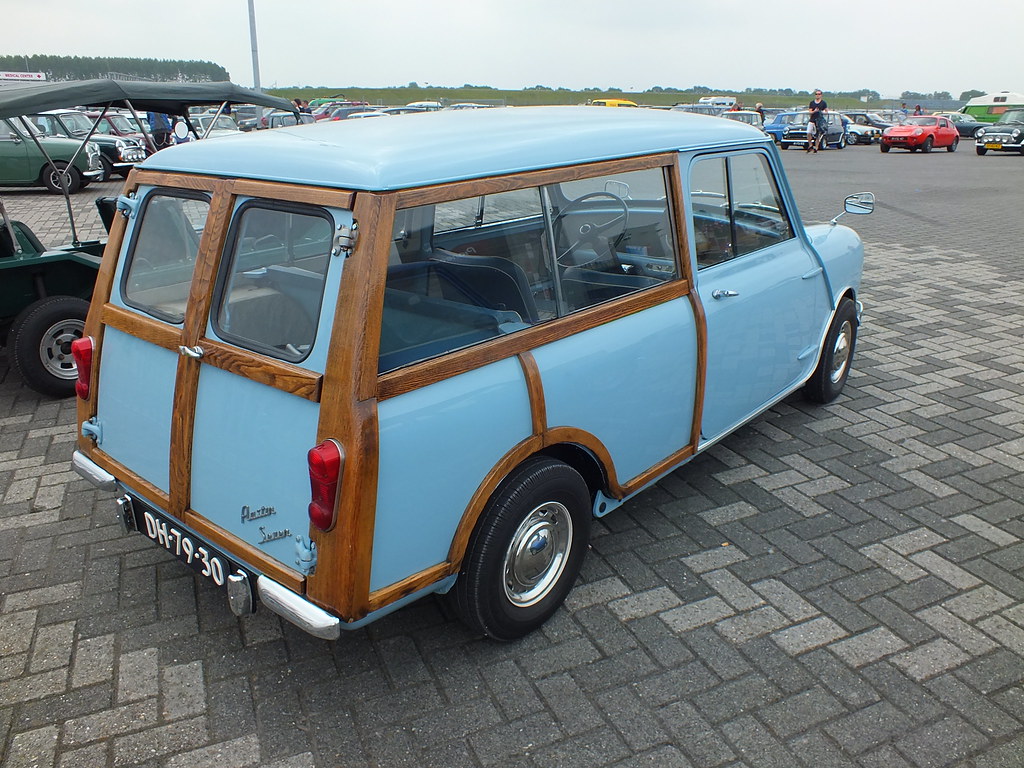
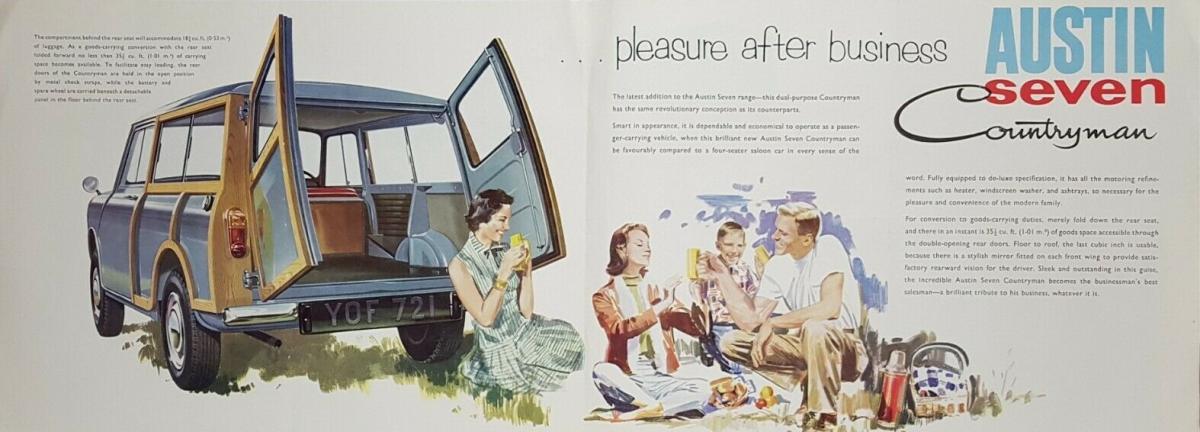
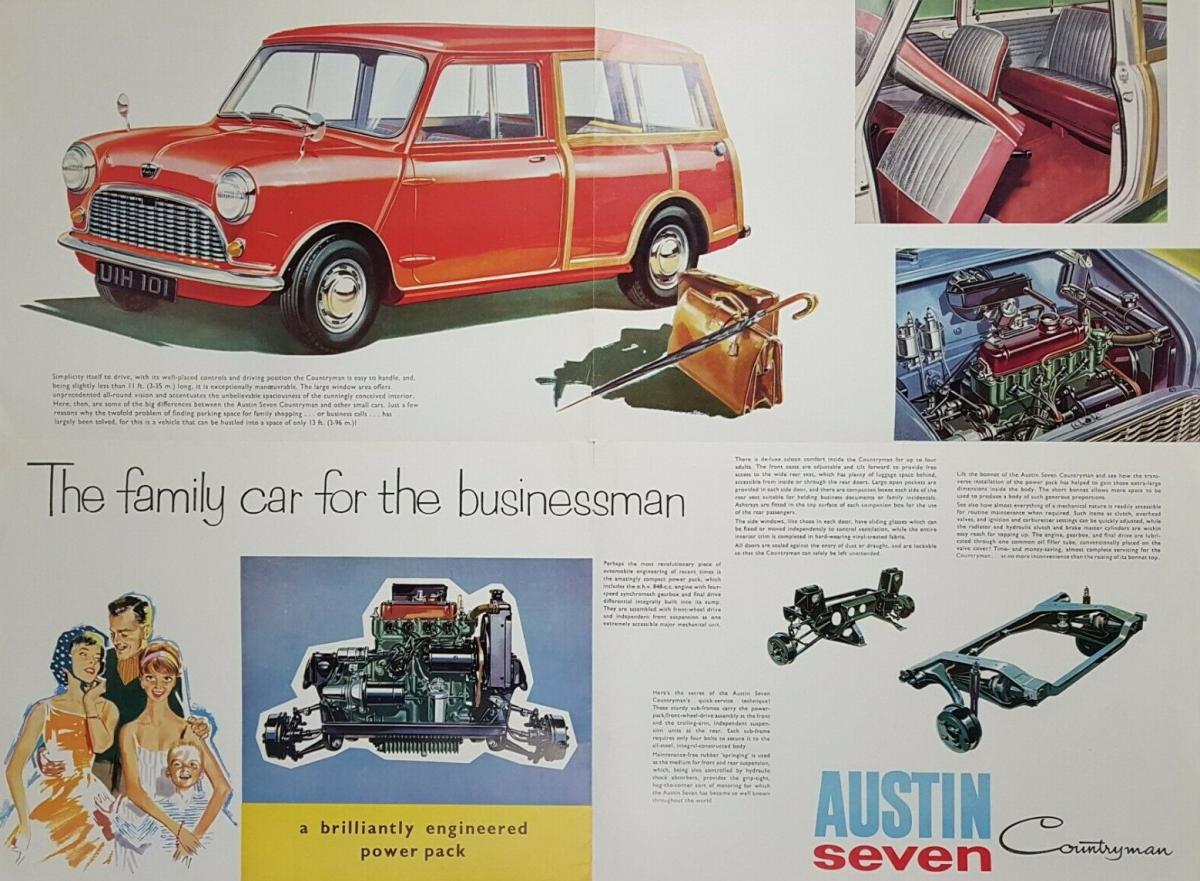
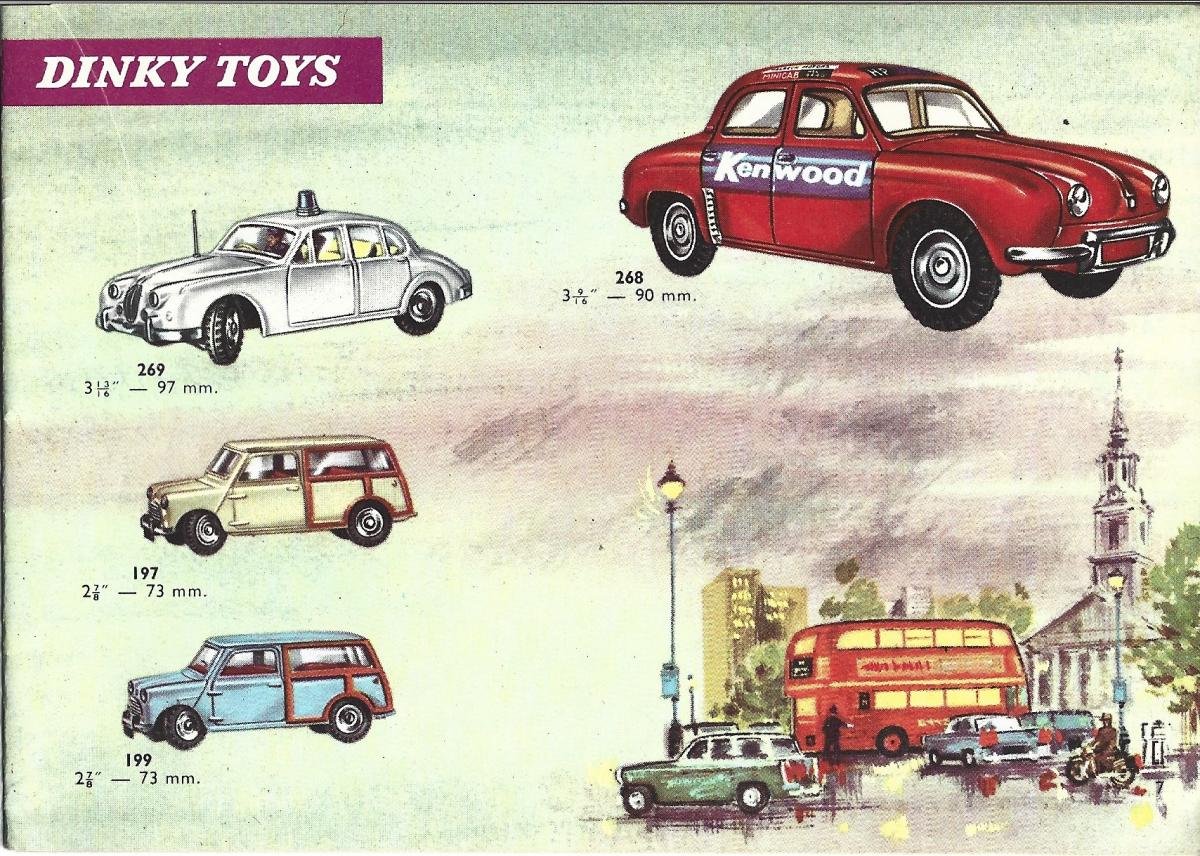
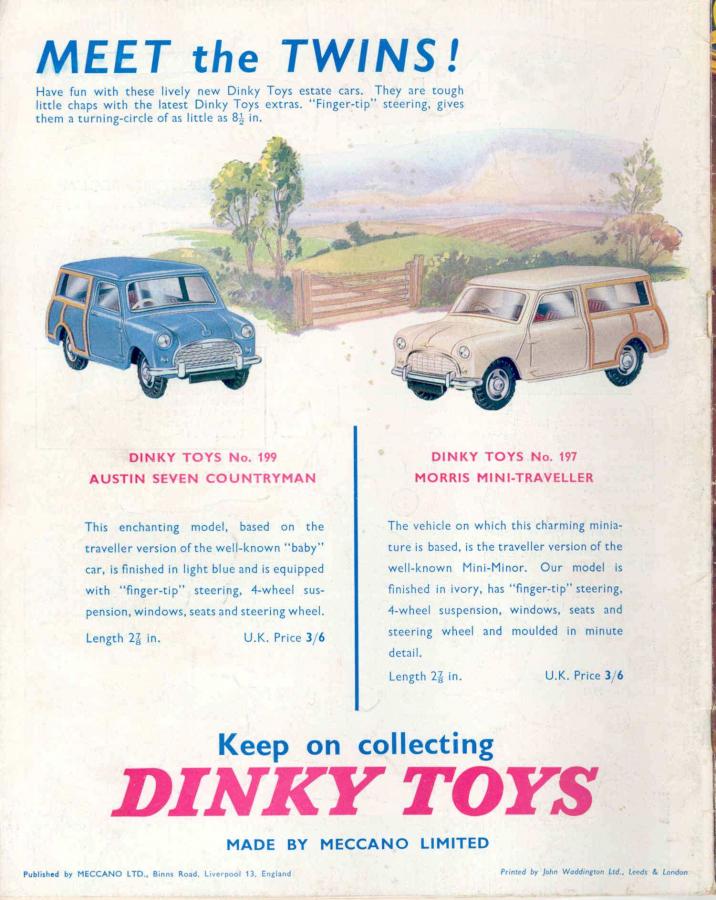
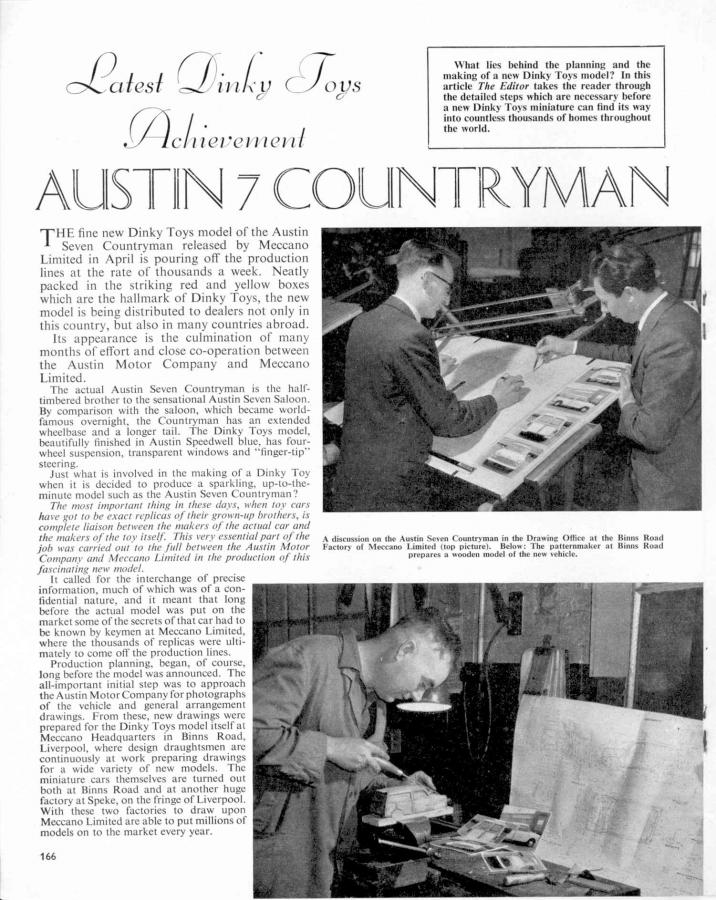
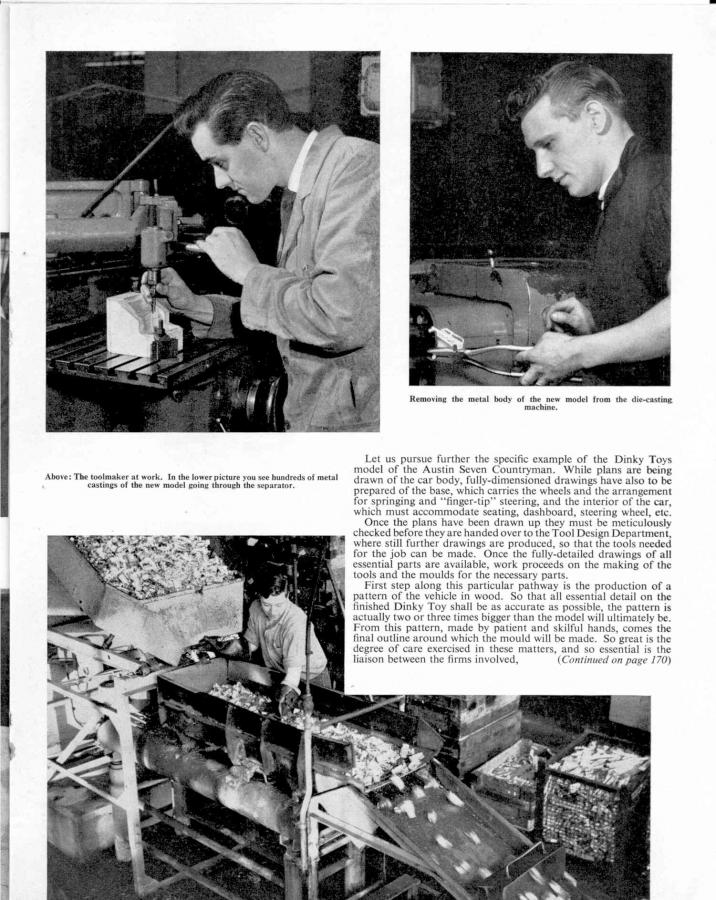
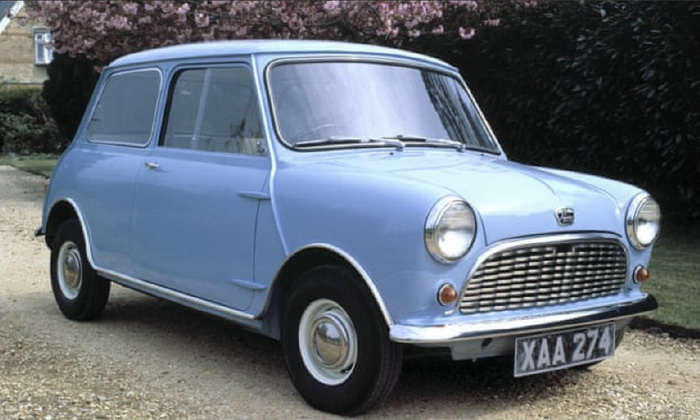 1959 Austin Seven Saloon. On its introduction in August 1959, the Mini was marketed under theAustin andMorrisnames, as the Austin Seven and Morris Mini-Minor.The Austin Seven was renamed Austin Mini in January 1962and Mini became amarquein its own right in 1969.In 1980, it once again became the Austin Mini, and in 1988, just 'Mini' (although the 'Rover' badge was applied on some models exported to Japan). Austin Seven Countryman and Morris Mini-Traveller (1960-69) 1960: Introduction of the Austin Seven Countryman and Morris Mini-Minor Traveller 3-door estates, both with 848cc engine from the saloon models. 116,667 cars built in the first full year of production. These models were two-door estate cars with double 'barn'-style rear doors. Both were built on a slightly longer chassis of 84 inches (2.1m) compared to 80.25 inches (2.038m) for the saloon. From the start of production both models had a decorative, non-structural, ash wood trim on the rear body, in the style of a pre-warshooting-brake. This gave the car a similar appearance to the larger Morris Minor Traveller and gave rise to these cars simply being called aWoodie. Variations of this model were also built in South Africa, by Innocenti in Italy and by Industria de Montagem de Automoveis in Portugal. The Mini Traveller and Countryman Register was created in 2009 to help locate and preserve the remaining Mini Traveller and Countryman cars. Dinky Toys 199 Austin Seven Countryman: The Austin Seven Countryman below is the prototype of the Dinky Toys 199. I don't have both models, but given the pictures of both, the badge on the hood, the radiator grille and the base plate seems to be the only difference between the 199 Austin Seven Countryman and the 197 Morris Mini-Traveller, so they really are twins. Simultaneously with the introduction of the 199 and 197, Meccano Liverpool describes the entire production process of the 199 Austin Seven Countryman and the real one in a very interesting article in 6 pages in Meccano Magazine of May 1961 which I also show here. A very nice promotional action from Meccano Liverpool. The Mini was made in many versions by Meccano Liverpool. Below my 199 with the very nice box with a yellow serrated tag with the text 'Patent Applied For 199', which has usually torn off. Fortunately I was able to buy the model in France where the model was also sold with sales number 199L (L=Liverpool). Given thewritten date on the box, my model was bought 26-11-66, so a later model. Jan Oldenhuis, 22 March 2021.

_Countryman_848cc_January_1961.JPG)
[img]/images/sites/default/files/forum-images/DinkyToys199AustinSevencountrymaninMMMay
[img]/images/sites/default/files/forum-images/DinkyToys199AustinSevencountrymaninMMMay
Please Log in or Create an account to join the conversation.
Time to create page: 0.415 seconds
