
- Thank you received: 0
22a Open Sports Car (1933-35)
- Jan Oldenhuis
-
 Topic Author
- Offline
- User
-

Less
More
9 years 4 months ago #19752
by Jan Oldenhuis
Replied by Jan Oldenhuis on topic 22a Open Sports Car (1933-35)
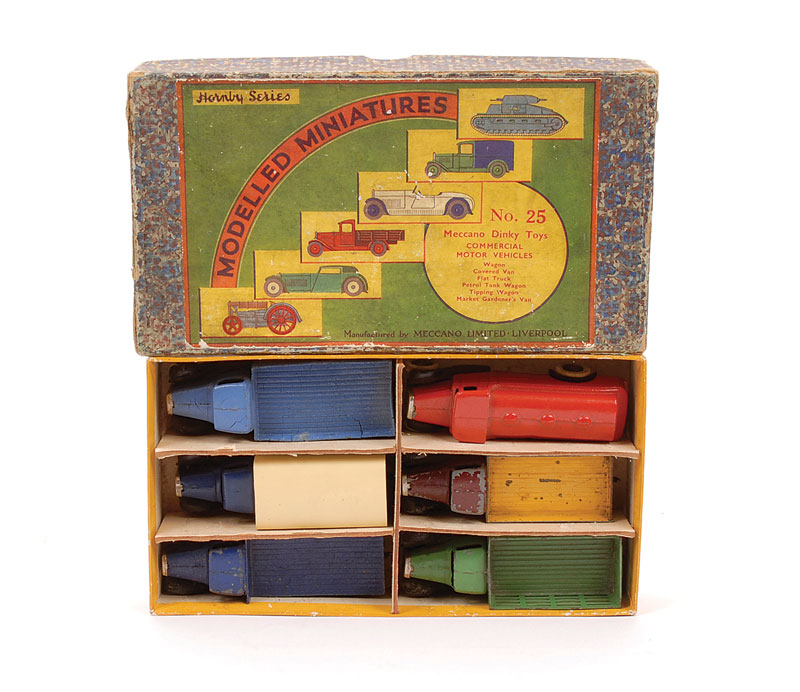
John-Thank you for your welcome addition. This is very valuable information about Hornby-Dinky Toys's first motor vehicles and you have again a rare acquisition with the No. 24 box. You have a very complete collection from the Hornby-Dinky Toys beginning period. Very special the pictures of the No. 22 Series on a box of the 24 Hornby Series. No model on the box was given the number 24. There are more examples from the prewar beginning of such a strange box. I found on Vectis this example of a No.25 box on 29-10-2009 auctioned for GBP 3000. This image of the 22 series does ofcourse also not match the contents of the box No.25. There is always something new from Dinky Toys. 10-5-2017 - Jan Oldenhuis
Please Log in or Create an account to join the conversation.
9 years 4 months ago #19758
by Dinkinius
Replied by Dinkinius on topic 22a Open Sports Car (1933-35)
Jan Thank you so much for a wonderful dissertation of the 1931 Wolseley Hornet Swallow, represented by the Hornby Series Modelled Miniatures - Dinky Toys 22a Sports Car. You have done an excellent job taking us through its birth and with one particular model, its continued life in your care. What stories this little car could relate and the owners who have shared the same sort of pride as you obviously have. I was surprised to read that John Ramsays 3rd Edition catalogue referred to the model in parenthesis by its name, Wolseley Hornet,
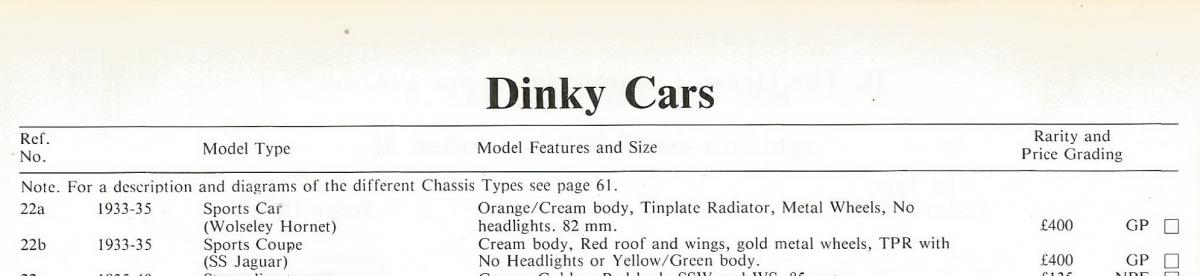 and yet by the 5th and subsequent editions, its name as well as the Jaguars had been omitted.
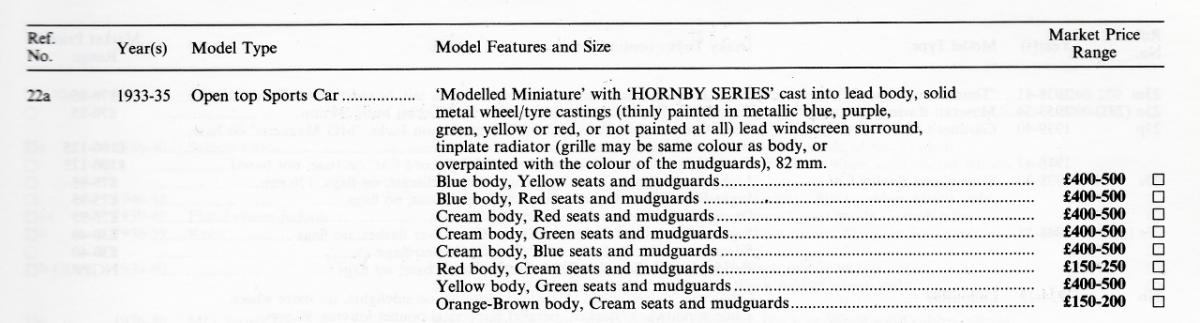 I can only speculate as to why this came about with the 22a, one possibility being its name, as a number of coach-builders sold their versions of the Wolseley Hornet including Swallow, Jensen and Boyd-Carpenter with Wolseley manufacturing the chassis, engine and running train, partly using their own factory names. This is shown with the advertisements included in your Post as we see the Wolseley Hornet Swallow at a cost of 225, and then another advertisement with the cars being referred as a Hornet Swallow. This confusion continues as shown with the following advertisement,
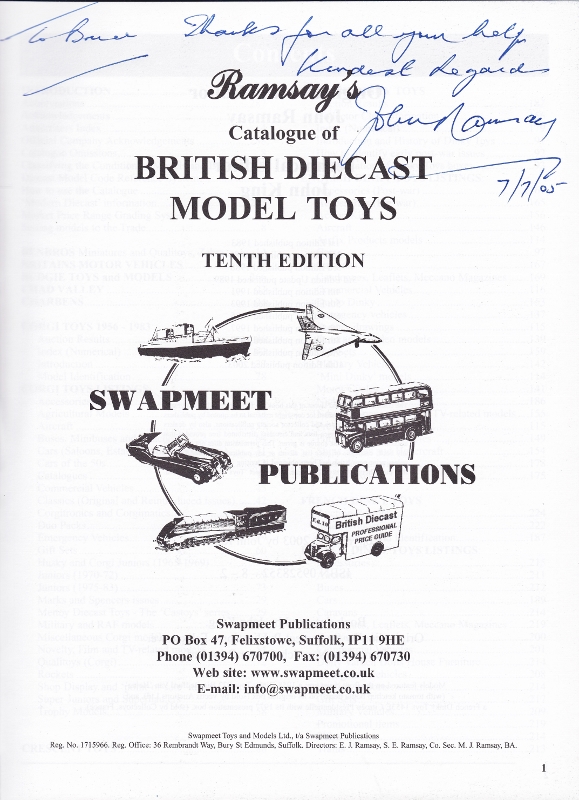
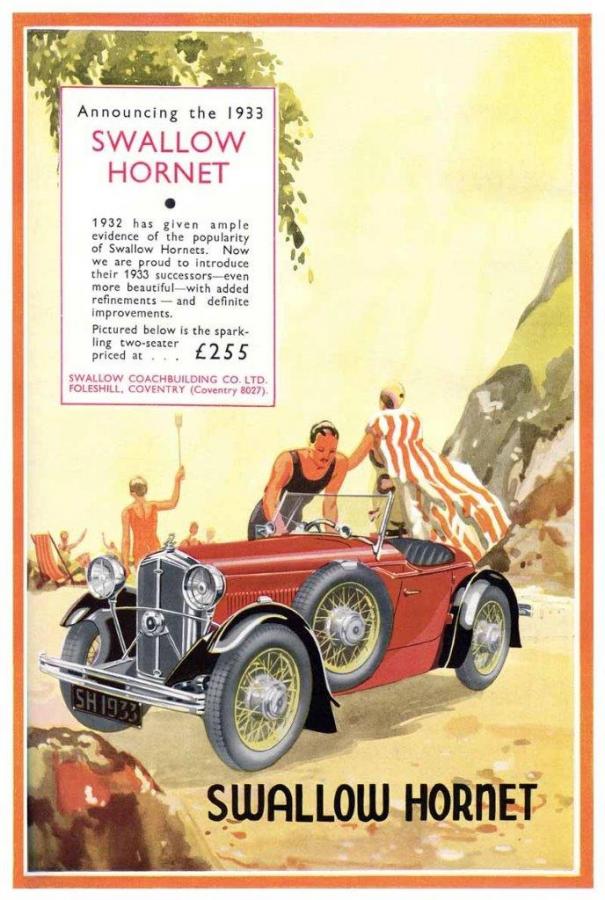 which refers to the cars as a Swallow Hornet! It was a very common practice before WW2 for car manufacturers in the UK and other countries including Australia licensing coach-builders to build the bodies of their products. This was of special interest in Australia as the Australian government in 1917 had imposed an embargo on the importation of complete motor vehicles. This was designed to increase employment opportunities as well as providing a training ground for new employment in an industry that was just developing mass motor vehicle production. One notable example being Holdens Motor Body Builders Limited that formed a partnership with General Motors Australia in 1923 and then in 1931 as a result of the onset of the Depression, GMA purchased Holdens Motor Body Builders Limited and thus GMH, General Motors Holdens was formed. In 1948 through economic assistance from the Australian government, GMH launched its own Australian designed (albeit approved by GM in Detroit) car, the Holden, the name being chosen due to its Australian connection. These days from October this year Holden will become a name only with its badge trade mark the only thing manufactured in this country that will be affixed to imported Opels etc. I can only speculate why General Motors Holdens has not returned to its original name, General Motors Australia, as the real Holden motor car will cease to exist, although I feel this is purely a marketing exercise to keep the appearance that it is an Australian company.) Referring back to John Ramsays British Diecast Catalogues, two of Johns catalogue editions take pride of place on my book shelf these being the last before he handed the reins to the Warner group. My apologies for including the inscriptions but I wanted to share it with you.
 John thank you for posting the photograph of your Dad in the 1 litre SS1. You are certainly very fortunate to have such a close family connection with a part of British motor racing history. As for the car, for what it is worth, I think your Dad did make an error in identifying the car as a SS1 when I think was in fact a sports version of the SS2. The image below is of a touring version of the SS2 which clearly shows that this version had a different style of mudguards. The racing version would have had windscreens as shown in your Dads photograph as well as a tapered rear end. The location of the headlights would also have been lower to permit the driver to detect undulating surfaces better during night races.
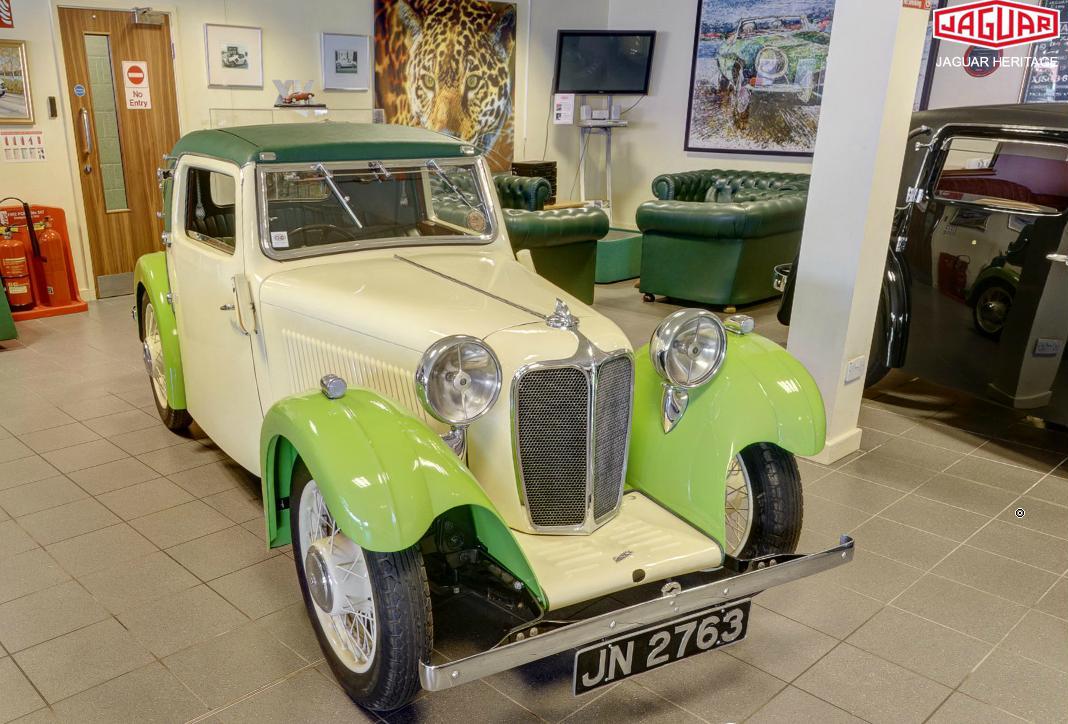 The style of radiator almost matches that of the car in your Dad's photograph. Even the SS100 did not always have elongated front mudguards as shown with the following.
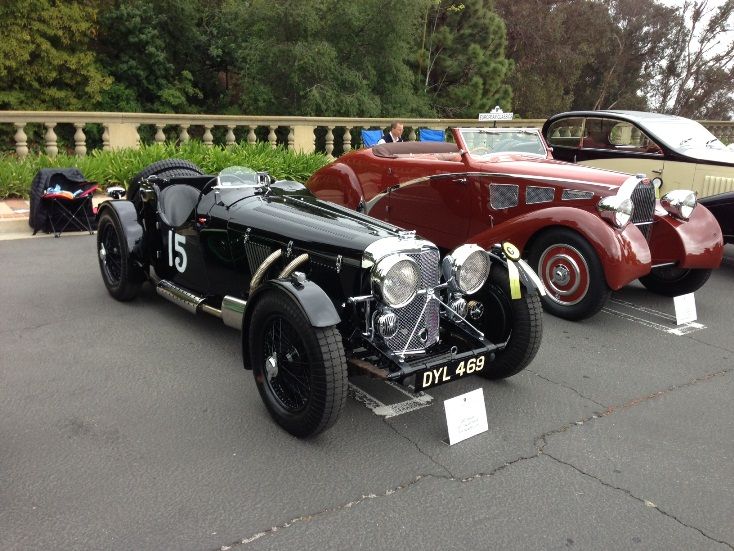 Although with the above car, I am uncertain whether this is a restored or modern-day replica. Will check further! Finally, the best years of motoring are now long gone unfortunately. The loss of national pride in building our own cars, the Austins, Jaguars, Morriss, Hillmans, Humbers, Holdens, Rolls Royces etc now that the car industry has gone global is something future generations will probably ask why, although I think their response will be how come globalisation did not come earlier! Bruce H. (150) 20170512/1097/2144
Please Log in or Create an account to join the conversation.
Time to create page: 0.429 seconds
